Double Glazed Decorative Glass Panels
Our double-glazed decorative glass panels offer improved safety, insulation and durability while maintaining the traditional charm of etched, coloured, stained or bespoke glass designs.
Whether you’re upgrading a front door, fanlight, side panel or restoring a period property, all of our sealed units are produced to modern standards and can be manufactured using your chosen glass style.
We supply a range of double-glazed options to suit both internal and external applications, ensuring long-lasting performance and a high-quality finish.

Understanding Double Glazed Units & Stained Glass Encapsulation
This page is designed to help you understand double glazed units (also known as insulated glazing) and the options available when ordering.
Double glazing can be made in various specifications depending on your requirements, including thickness, spacer type, gas filling, and glass type.
When requesting a quote, please let us know:
1) The overall thickness of the unit you require
2) The spacer bar type you prefer (e.g. aluminium, warm edge, super spacer)
3) Whether the unit should be gas-filled
4) The type of glass needed (for example, Low-E or toughened glass)
Below you will find helpful guidance to explain each of these options, making it easier for you to choose the correct specification for your project.
Double Glazed Unit Thickness
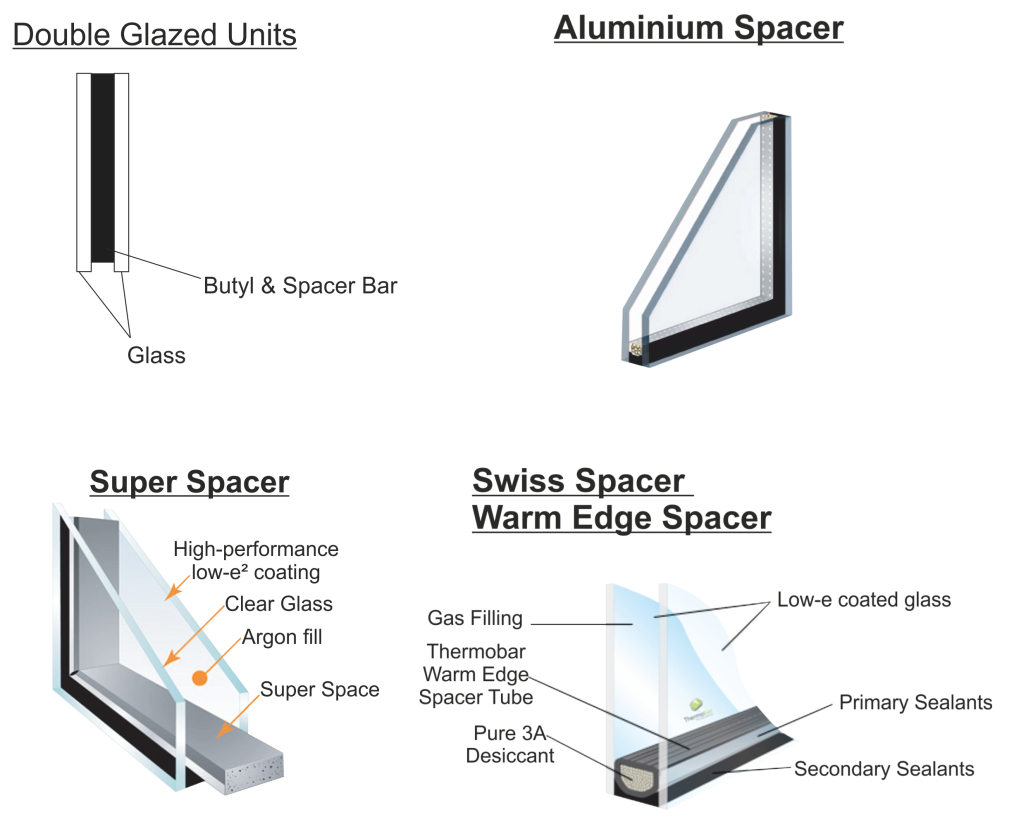
Double glazed units are made using two panes of glass separated by a spacer bar. Our standard glass thickness is 4mm (with 6mm available upon request), and spacer bars range from 6mm to 20mm, available in the following sizes:
6mm, 8mm, 10mm, 12mm, 14mm, 16mm, 18mm, 20mm
For example, a 14mm unit is constructed using two 4mm panes of glass with a 6mm spacer, written as 4 / 6 / 4.
Before ordering, you will need to check the rebate in your door or window frame to confirm the unit thickness required.
Air-Filled vs Gas-Filled Double Glazed Units
A double glazed unit is made from two panes of glass separated by a sealed cavity, which can be either air filled or gas filled.
So what’s the difference?
Air-filled units are the more cost-effective option and still offer good levels of insulation and noise reduction.
Gas-filled units (commonly Argon) provide better long-term energy efficiency, improved thermal performance, and reduced heat loss.
Please note: Gas filling is only suitable for units with spacer bars of 10mm or larger, as smaller cavities cannot retain the gas effectively.
Understanding Spacer Bars in Double Glazed Units
Spacer bars—also known as profiles—are the continuous hollow frames that separate the two panes of glass in a double glazed unit. They are bonded to the glass with a primary and secondary seal, creating an airtight cavity that can be filled with either air or gas.
Inside the spacer bar is a desiccant, which absorbs moisture and prevents internal condensation within the unit.
There are several spacer bar options, each with different benefits. Below are the most commonly used types:
Aluminium Spacer Bars
Aluminium spacer bars are lightweight, strong, and can be formed into various shapes and sizes. They are the most cost-effective option. However, aluminium is less efficient at preventing heat loss compared to modern warm-edge alternatives.
Warm Edge (Thermal Break) Spacer Bars
Warm-edge spacer bars significantly reduce heat transfer around the perimeter of a double glazed unit by using low-conductivity materials instead of aluminium. This helps minimise condensation on the room-facing surface and improves overall insulation. They are typically made from a fibreglass-reinforced insulating material, with a thin foil layer acting as a barrier to the trapped air or gas.
Warm-edge spacers are available in a range of colours, including brown, white, silver, and black, allowing better visual matching with your frame or glazing.
Glass Options for Double Glazed Units
When ordering a double glazed unit with decorative glass, the glass below refers to the second pane — the one used on the opposite side of your decorative panel. This outer pane contributes to insulation, energy efficiency, safety, and overall performance of the unit. Below are the main glass options available
Clear Glass
Standard clear float glass is the most basic option for double glazed units. While it does not provide the same level of thermal performance as Low-E or coated glass, it still offers insulation thanks to the sealed cavity between the panes. A standard clear-glass double glazed unit improves heat retention, reduces noise, and provides better energy efficiency than single glazing, making it a suitable choice for non-critical areas or customers seeking a more cost-effective option.
Low-E Glass
Otherwise known as low-emissivity glass, this type features a transparent metallic coating that improves thermal efficiency in two ways: it reflects heat back into the room while still allowing beneficial solar heat and natural light to pass through. This makes Low-E glass one of the best options for reducing energy bills and improving the overall performance of your glazing.
Pilkington K Glass™
A soft-coated low-emissivity glass designed to maximise insulation and solar gain when used within a double glazed unit. It offers optimal thermal performance, excellent light transmission, and contributes to achieving the highest possible window energy ratings. Pilkington K Glass™ is ideal for customers wanting premium efficiency without compromising clarity.How to Fit a Double Glazed Unit
Tools Required:
• Neutral Cure Silicone
• Glazing Blocks (Spacers)
• 1mm Double-Sided Backing Tape / Butyl Strip / Rubber Strip
• Beads
• Nails
• Hammer
• Scissors
Measuring the Unit:
A new double glazed unit should be 6mm smaller than the tight opening (the aperture) to allow for fitting clearance.
Fitting Process:
Once the previous unit and beading have been removed, the inside of the frame should be lined with glazing blocks to support and correctly position the new unit. Place the new double glazed unit onto the blocks, ensuring it is bedded onto either rubber strip or butyl strip to create a proper seal.
After positioning the unit, seal around the edges using Neutral Cure Silicone only.
No other type of silicone should be used, as standard silicone can attack the unit’s perimeter seal and will void the manufacturer’s warranty.
Stained Glass Encapsulation
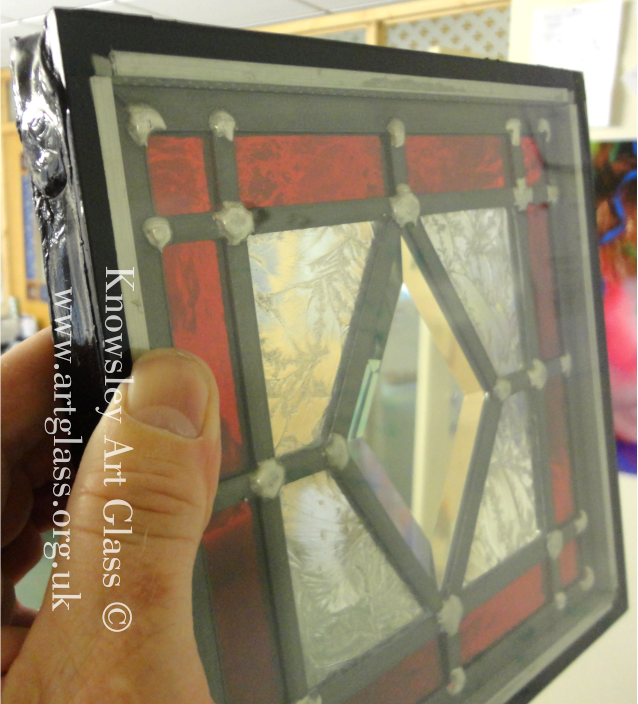
Stained glass encapsulation is different from a standard double-glazed unit. Instead of using two independent panes of glass, the original stained glass panel is sandwiched between two sheets of 4mm glass, creating a sealed unit that protects the stained glass while improving security and insulation.
Depending on the level of insulation required, the outer panes can be made using clear glass or soft-coat Low-E glass. Pricing will vary depending on the customer’s chosen specification.
Please note: Encapsulated stained glass units cannot be gas-filled — they are always air-filled due to the construction method.
How Encapsulation Affects the Visible Glass Area
The photo to the right shows an encapsulated stained glass unit. You will notice a black butyl seal around the stained glass, followed by the aluminium spacer bar, before the decorative design begins.
This creates an unavoidable 12mm border around all four sides of the stained glass panel. For this reason, the stained glass design must be slightly reduced to fit within the visible area of the encapsulated unit.
Encapsulated Unit Thickness
The minimum overall thickness of an encapsulated stained glass unit is: 20mm (4mm / stained glass / spacer / 4mm)
Customers will need to check that this thickness is compatible with their existing door or window frame.
for any more information please e-mail us at-
sales@artglass.org.uk

*All goods will be supplied subject to VAT @ 20% When ordering any glass off our website please make sure you provide the correct sizes including the correct tolerances. We can not take any responsibility for sizes that have been provided incorrectly! Information on glass sizes can be found on our MEASURE UP page, or if you require any further information on measuring up please contact us we are always here to help.